
Loss of control
Tracking was often used to regain a sense of control, but when patterns remained unclear or symptoms persisted, it could amplify frustration, self-blame, and emotional fatigue.



Human-centered computing → Empirical studies in HCI @2026
KEYWORDS: Self-Tracking, Enigmatic Diseases, Disease stages, Health

This project was accepted as a full paper to CHI 2026
This research explores how people living with enigmatic chronic conditions use self-tracking to manage uncertainty, shifting symptoms, and evolving goals.
Through 23 semi-structured interviews, I investigated tracking practices, challenges, and opportunities to inform the design of more adaptive and supportive health tools.
To understand how people living with enigmatic chronic conditions use self-tracking to manage fluctuating symptoms, uncertainty, and evolving health needs, and to identify opportunities for designing more supportive tracking tools.
Existing self-tracking tools are often designed around stable conditions and predictable patterns. However, people living with enigmatic diseases experience fluctuating symptoms, shifting goals, and high uncertainty, making it difficult to interpret data, maintain tracking routines, or gain meaningful insights.
I conducted a qualitative study with 23 participants, using semi-structured interviews and thematic analysis to understand tracking practices, motivations, and challenges. The findings highlight key design opportunities for adaptive, flexible, and non-judgmental self-tracking tools that better support people living with unpredictable conditions.
The study uncovered key challenges and design opportunities for self-tracking tools in unpredictable chronic conditions and was accepted as a full paper at CHI 2026.
Independently conducted the user study as part of my Master’s dissertation. The work was later developed into a full paper, where I served as first author and contributed to the writing and preparation of the publication.
Reviewed prior work on self-tracking, personal informatics, and chronic illness to understand existing challenges and identify research gaps in the design of tracking tools.
Conducted 23 semi-structured interviews with people living with enigmatic chronic conditions to understand their tracking practices, goals, and challenges.
Performed thematic analysis to identify patterns in tracking behaviors, emotional experiences, and design opportunities for more adaptive self-tracking tools.
PARTICIPANTS
Recruitment was carried out through multiple complementary channels.
 Reddit
 Facebook
 Associations
| Id | Age | Gender | Occupation | Country of Origin | Enigmatic Diseases and Age of Diagnosis |
|---|---|---|---|---|---|
| P1 | 30 | F | Student | Portugal | Ulcerative Colitis (28); Axial Spondyloarthritis (axSpA) (28), Migraine (Childhood) |
| P2 | 31 | F | Unemployed | Portugal | Crohn's Disease (18); Endometriosis (under investigation) |
| P3 | 40 | F | Freelancer | Portugal | Endometriosis (39) |
| P4 | 24 | F | Receptionist | Canada | Fibromyalgia (16) |
| P5 | 35 | F | Unemployed | Portugal | Ulcerative Colitis (23); Hashimoto's Thyroiditis (23) |
| P6 | 48 | F | Unemployed | Portugal | Ulcerative Colitis (19); Lupus (21) |
| P7 | 27 | F | Student | Portugal | Crohn's Disease (22) |
| P8 | 40 | F | Association President | Portugal | Endometriosis / Adenomyosis (23) |
| P9 | 30 | F | Company Employee | Portugal | Endometriosis (27), Behçet’s disease (27), Autoimmune Neurological Disease (under investigation) |
| P10 | 30 | F | Real Estate Manager | Portugal | Ulcerative Colitis (15) |
| P11 | 44 | F | Administrator | USA | Fibromyalgia (35); Rheumatoid Arthritis (under investigation) |
| P12 | 48 | F | Professor | USA | Fibromyalgia (14) |
| P13 | 29 | F | Research Coordinator | Canada | Fibromyalgia (20) |
| P14 | 38 | M | Senior Manager | Canada | Fibromyalgia (38) |
| P15 | 33 | F | Cloud Security Engineer | USA | Fibromyalgia (32); Endometriosis |
| P16 | 49 | F | Writer | USA | Hashimoto's Thyroiditis (47), Fibromyalgia (47) |
| P17 | 39 | M | Marketing | USA | Fibromyalgia (15), Vestibular Migraine (37) |
| P18 | 29 | F | Unemployed | UK | Fibromyalgia (22); Functional Neurological Disorder (FND) (26) |
| P19 | 24 | M | Software Engineer | UK | Psoriasis (12) |
| P20 | 31 | F | Preschool Teacher | Brazil | Rheumatoid Arthritis (30) |
| P21 | 45 | F | Civil Rights Coordinator | USA | Rheumatoid Arthritis (39) |
| P22 | 36 | F | Unemployed | USA | Rheumatoid Arthritis (8) |
| P23 | 30 | F | Dental Implant Liaison | USA | Rheumatoid Arthritis (27), Axial Spondyloarthritis (axSpA) (under investigation) |
General-purpose tools
Notes apps, spreadsheets, calendars
12 participants
Tracking-focused tools
Digital applications
e.g., Flo
19 participants
Wearables
e.g., Oura Ring
5 participants
Journals and paper notes
7 participants
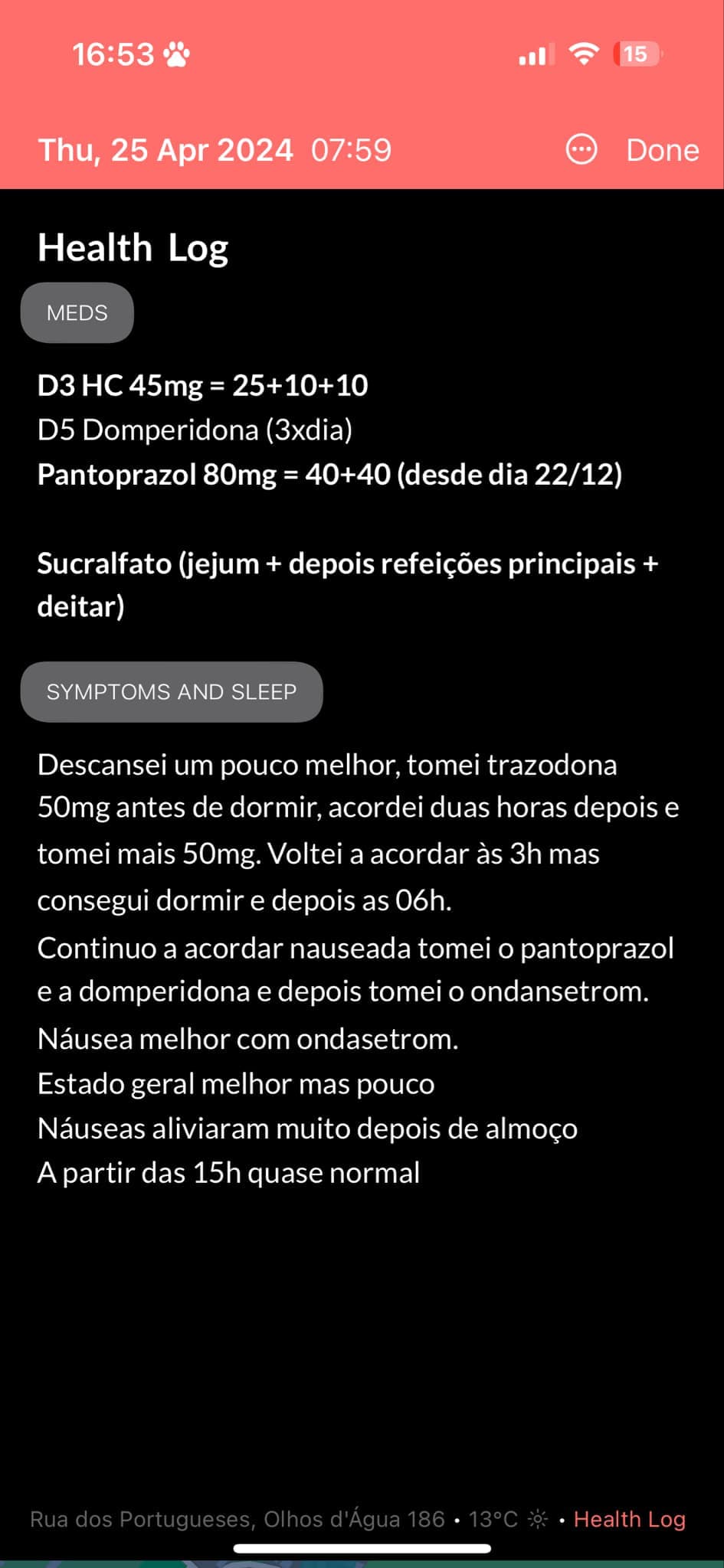
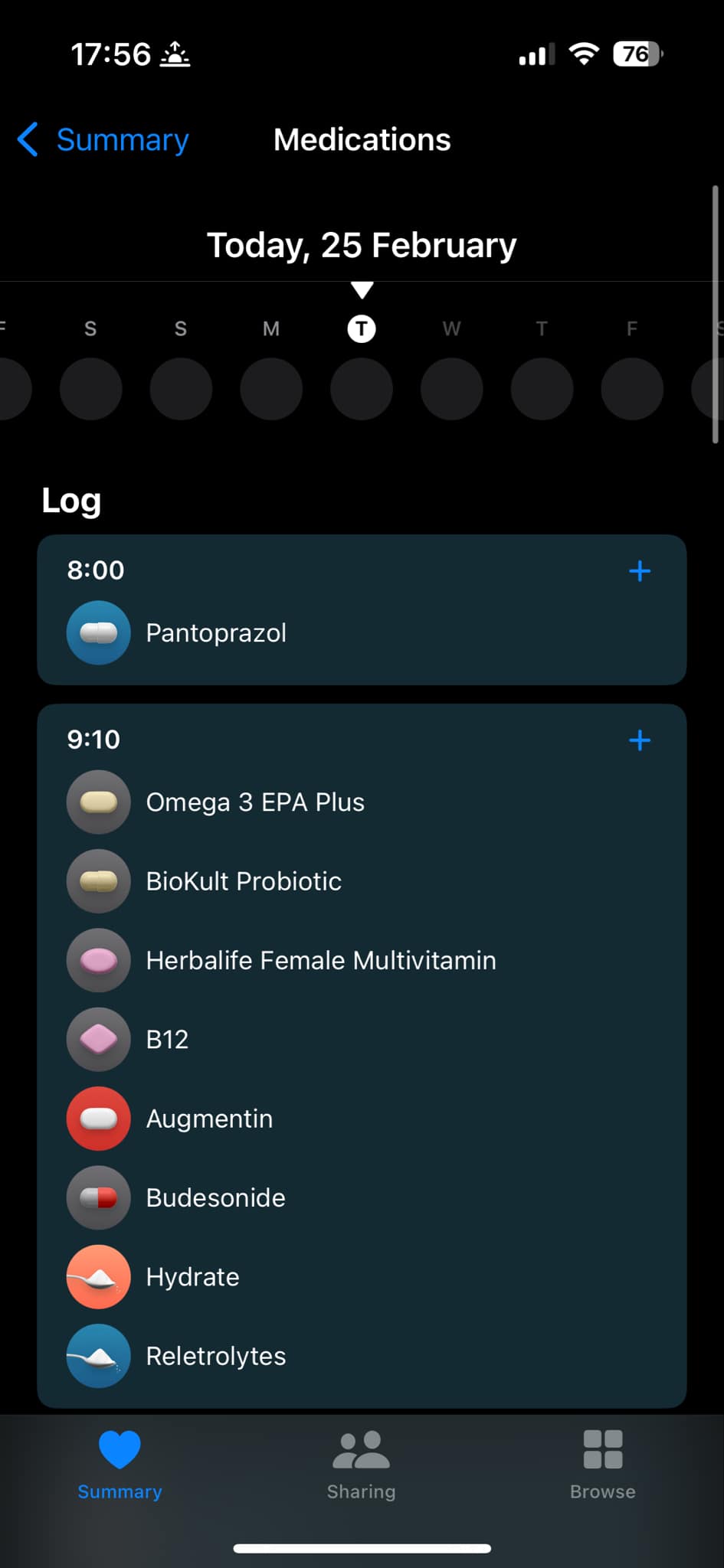

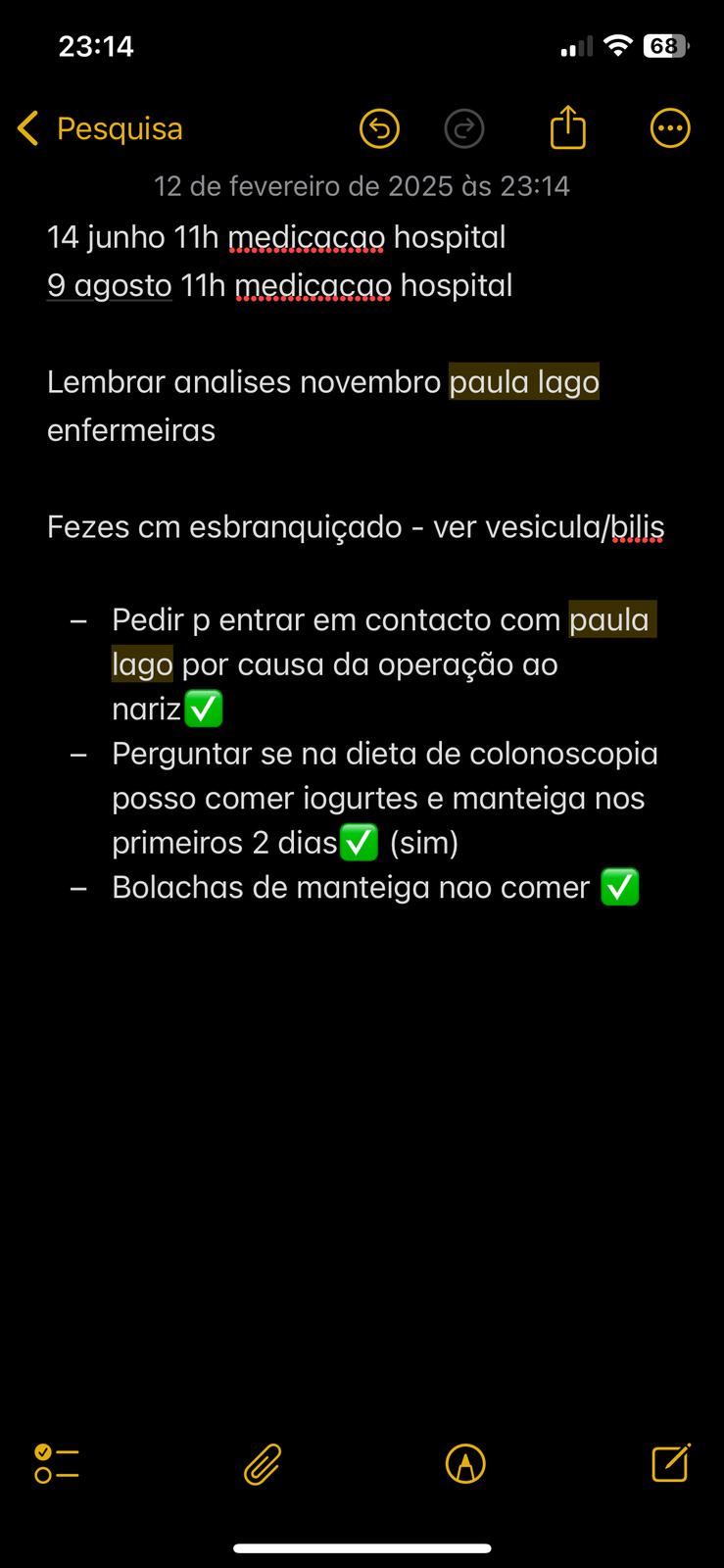
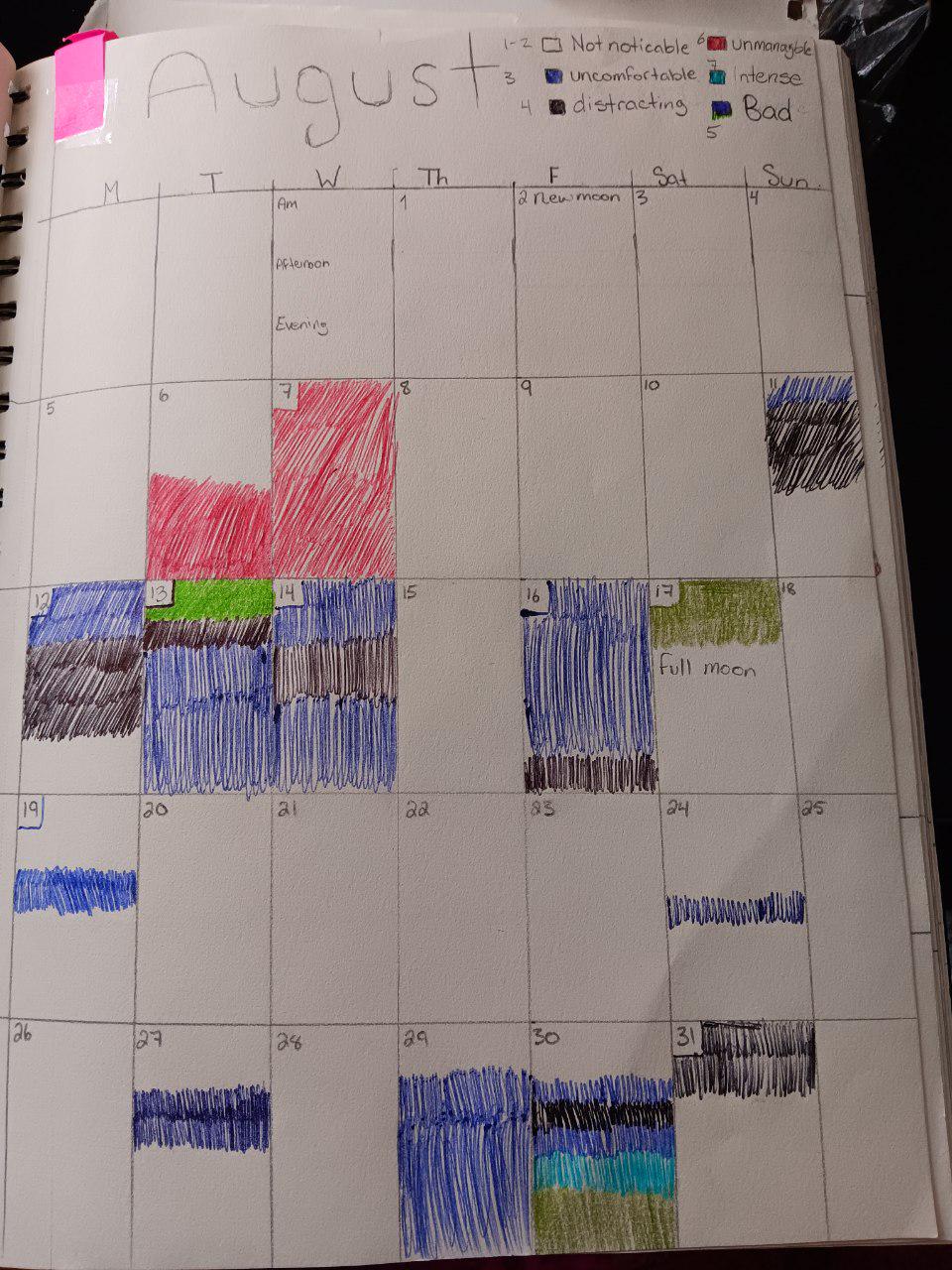
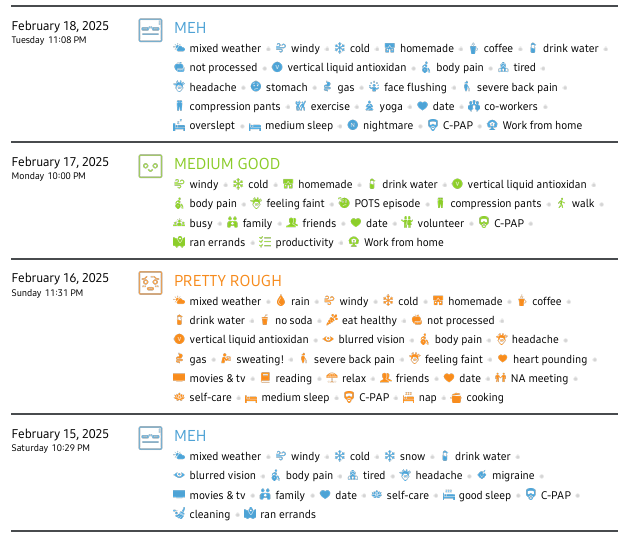
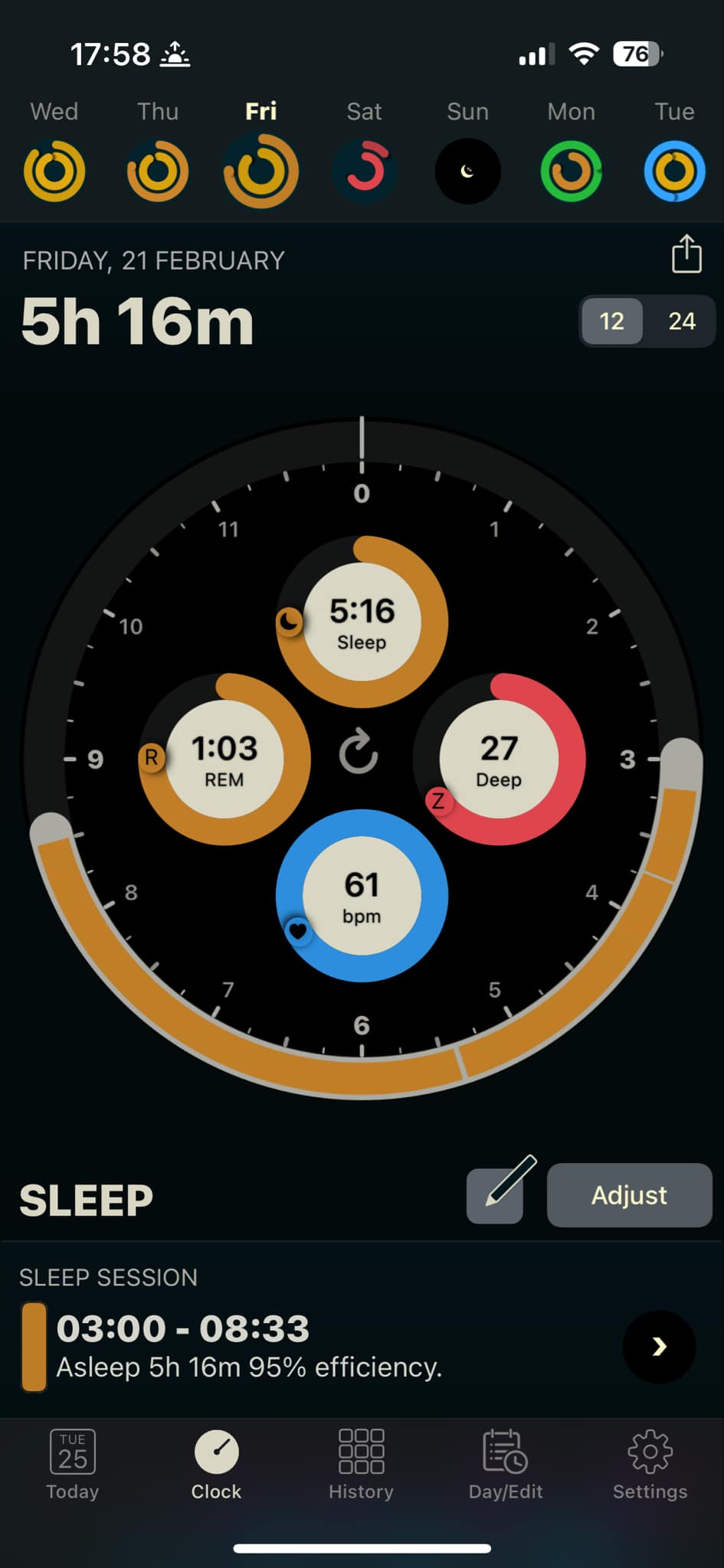
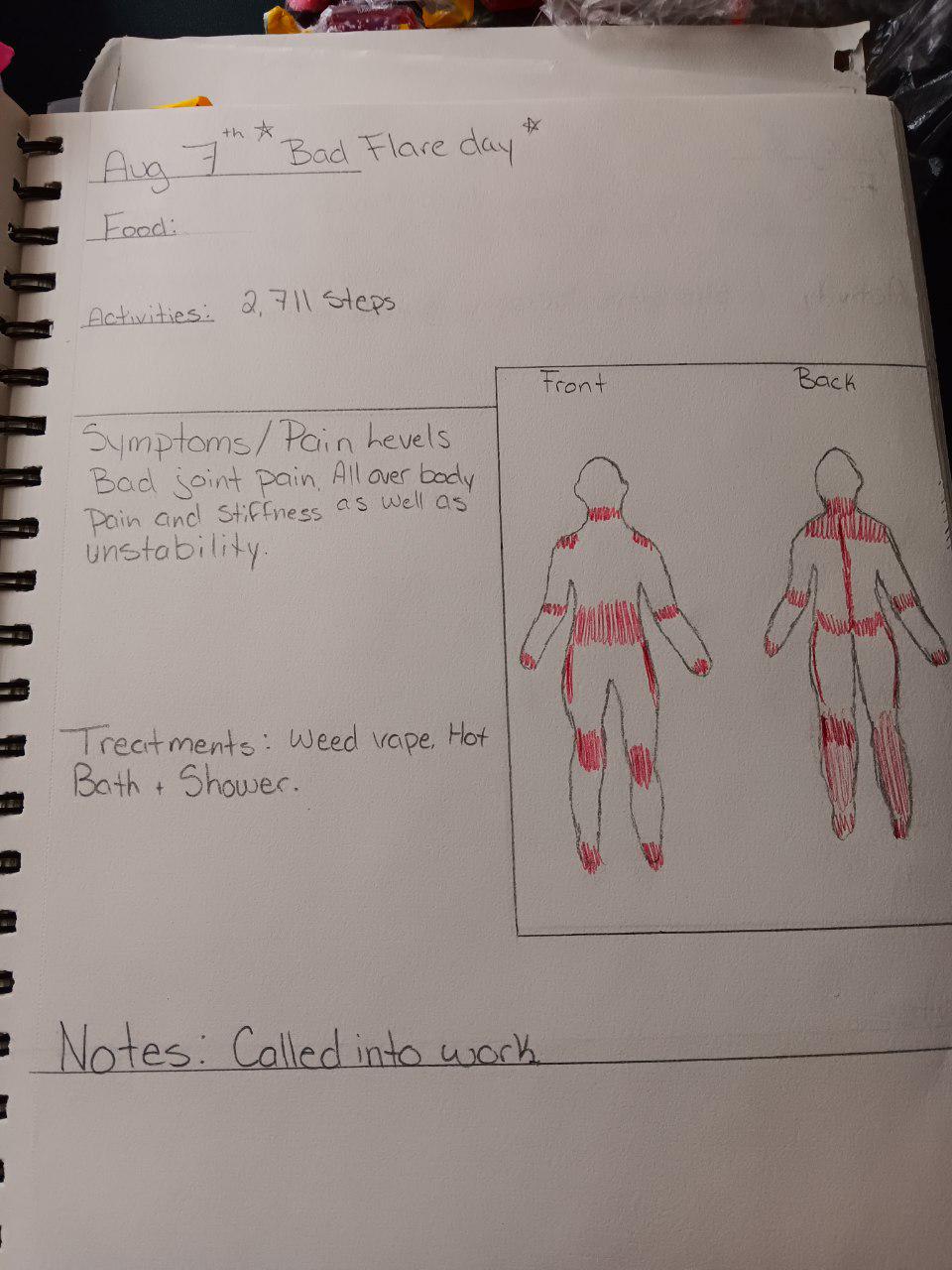
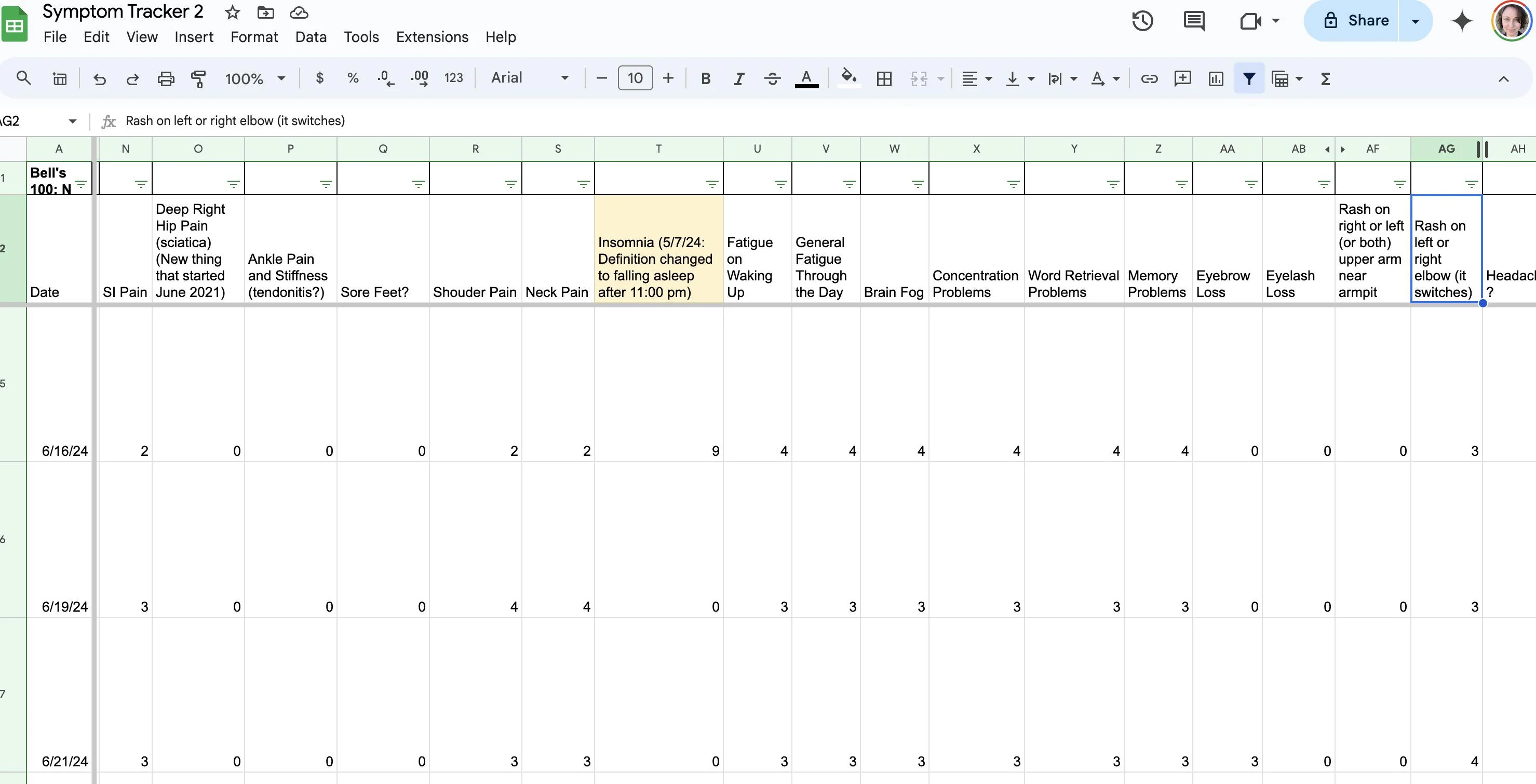
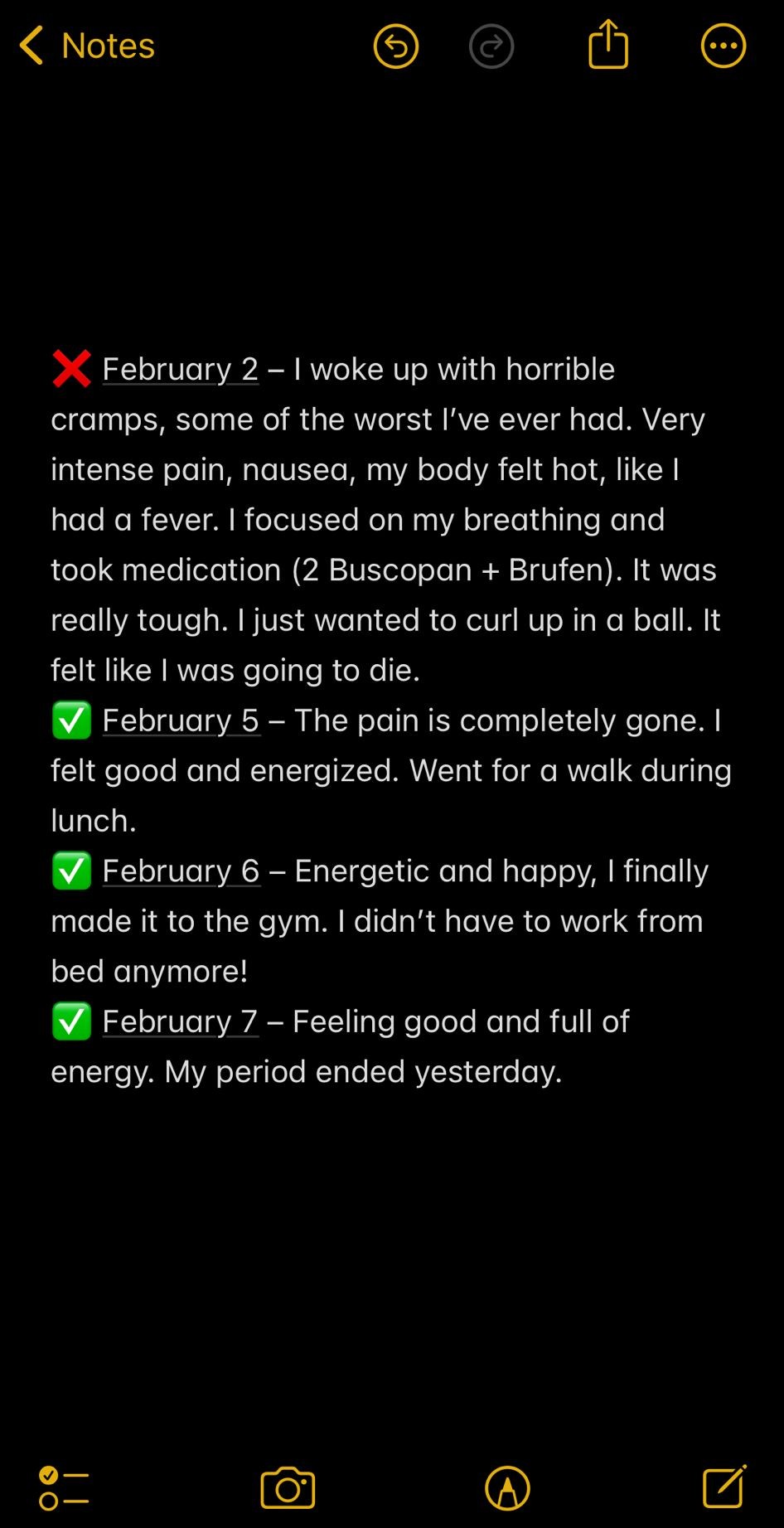
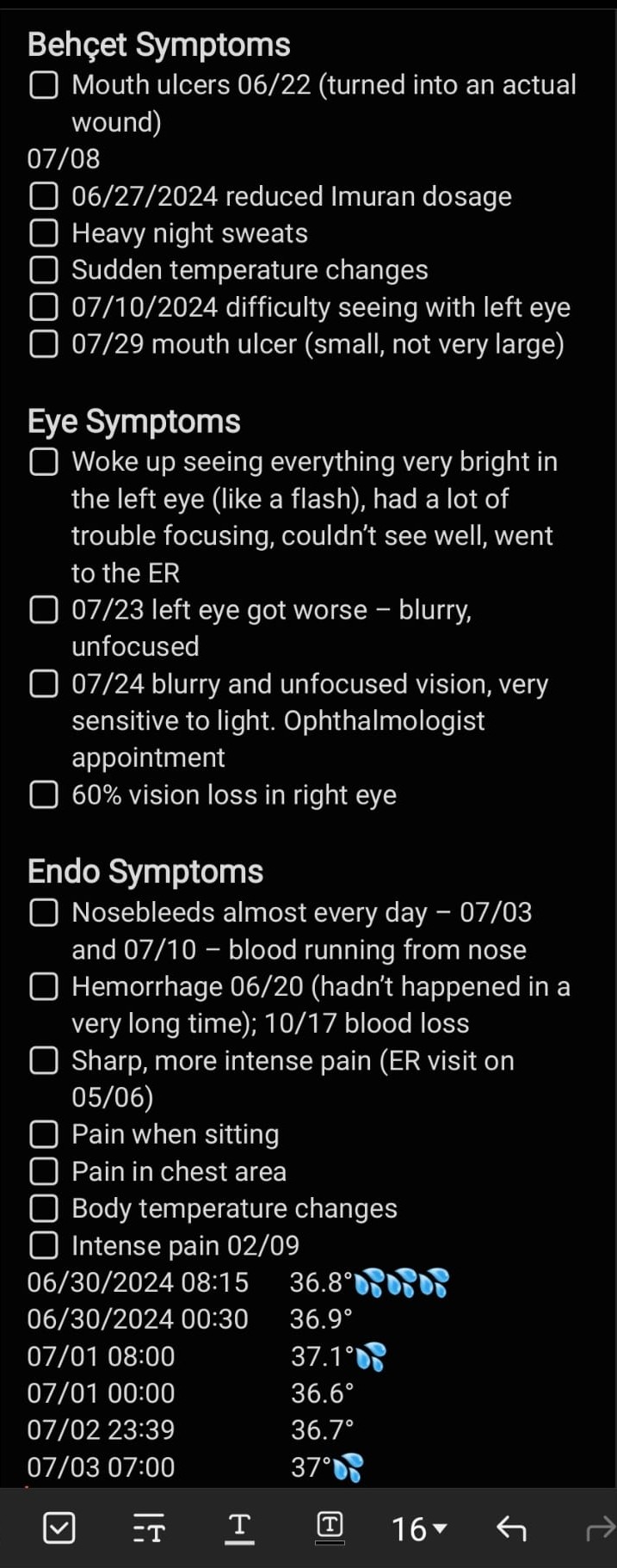
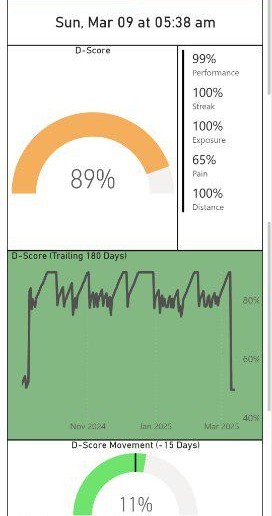
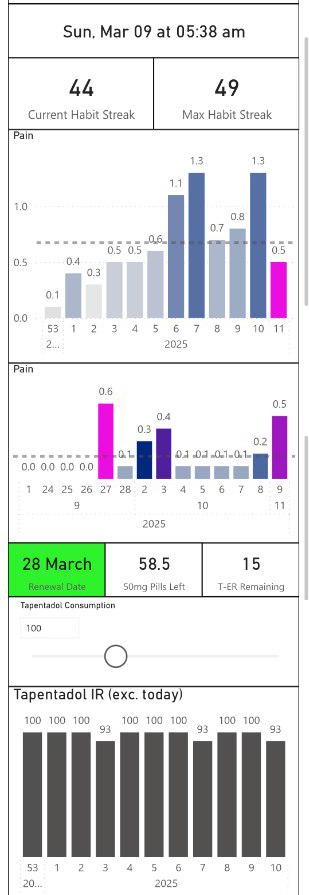
Through a literature review and semi-structured interviews with individuals managing rare and complex diseases, I identified patterns in self-tracking practices that revealed unmet needs and opportunities for the design of supportive tools.
CHALLENGES
Tracking was often used to regain a sense of control, but when patterns remained unclear or symptoms persisted, it could amplify frustration, self-blame, and emotional fatigue.

The fluctuating nature of symptoms and the lack of clear explanations created uncertainty, making it difficult for participants to interpret their health data or anticipate changes.

Participants relied on multiple tools and workarounds to track their health, as existing solutions rarely supported the complexity of their conditions or personal tracking needs.
OPPORTUNITIES

Layered tracking systems could support multiple conditions, symptoms, and goals, allowing people to adapt how and what they track as their needs evolve.

Tracking practices naturally change with symptom fluctuations and evolving priorities. Tools should support these shifts, allowing users to move between goals such as documentation, reflection, or trigger exploration.

Tools could help people interpret inconsistent or unpredictable data without assuming clear patterns will always emerge. Design can normalize uncertainty and guide users toward meaningful goals even when insights remain inconclusive.